Cryotherapy

What is Cryotherapy (Cryosurgery)?

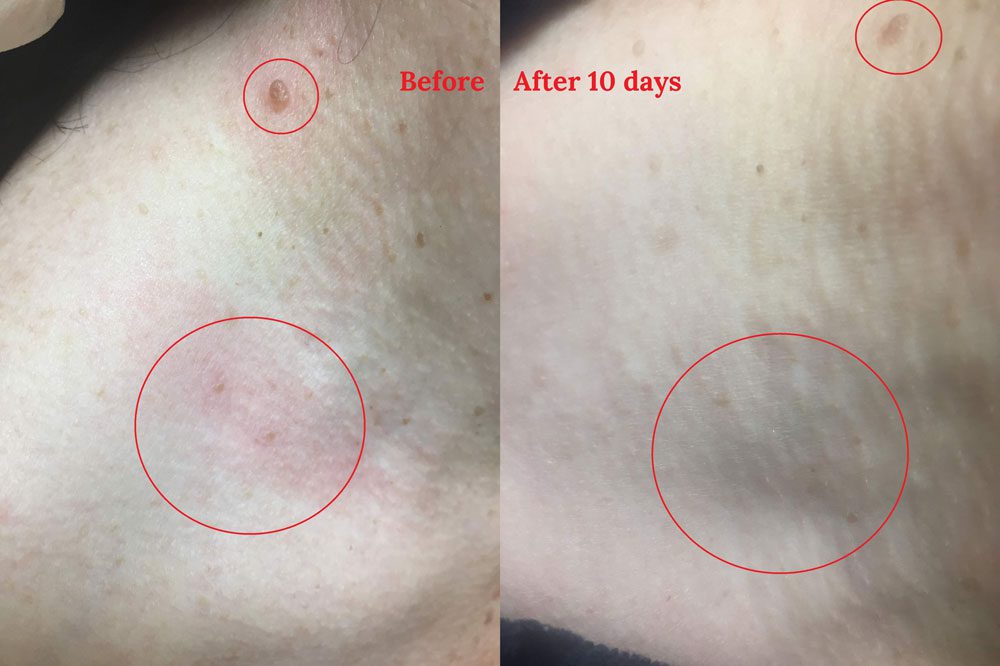
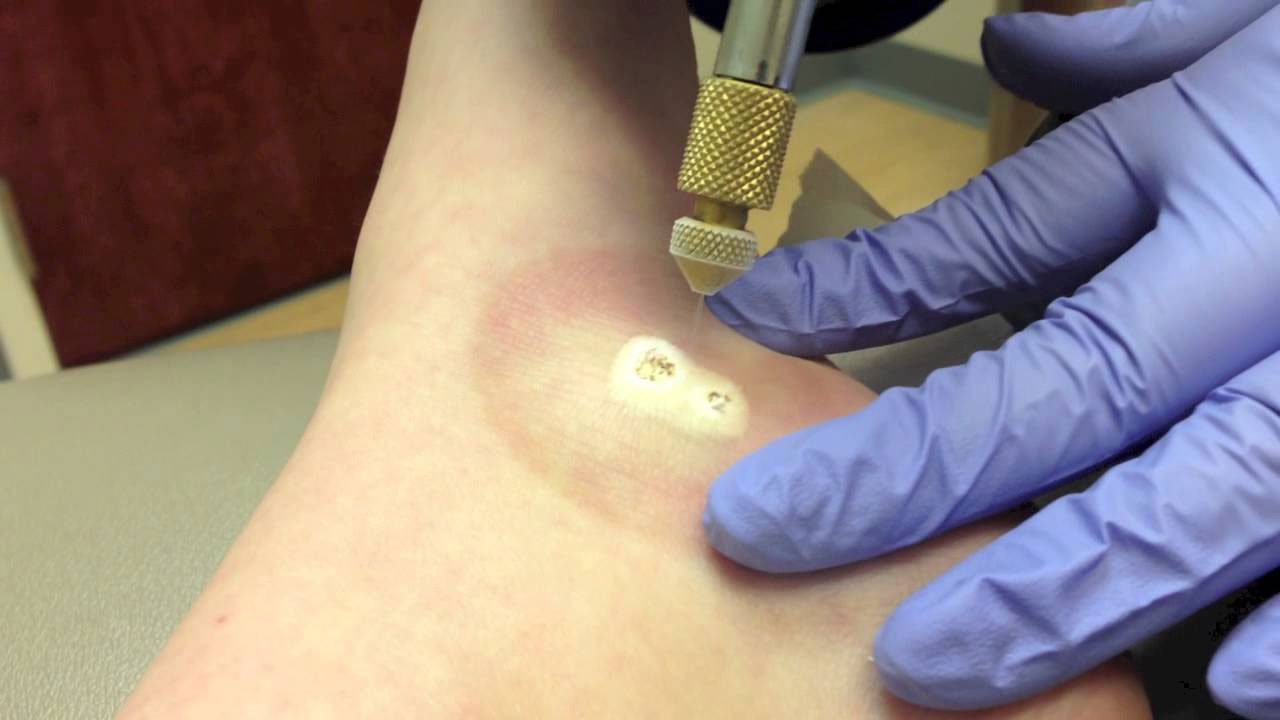
Cryotherapy (Cryosurgery) is a medical procedure that involves the application of nitrous oxide gas ejected under high pressure on to the skin. The gas is very cold which helps to freeze and destroy any benign lesions.  During the application, the tip of the reaches -89°C. The reason for this is to create a thermal shock at the region where the gas is pointed by causing a rapid drop in temperatures. The temperature drop has the effect of crystallising the fluid contents of the targeted cells, turning them into ice shards, resulting in the destruction of skin lesions as the membrane surrounding the treated cells is ruptured and destroyed.

The penetration of the cold is approximately 1 mm per 5 seconds of treatment, so a 2 mm sized lesion would take 10 seconds of nitrous oxide gas to treat. During treatment, you may see a frost or ice-field on top of the lesion. This shouldn’t cause any worry as the frost usually goes away within a few seconds. A common technique called freeze-thaw-freeze can sometimes be used to freeze, then defrost a frozen lesion, and then freeze it again.

Here, the frozen lesion is allowed to rest for 30 seconds and then a second treatment applied whereby the tissue will freeze faster second time around and destruction of the lesion is more guaranteed. After treatment, it is advisable to leave the area uncovered as this speed up the healing process. However, your practitioner may apply a simple dressing or plaster if there is a chance that the lesion may get rubbed or aggravated in any way.


Who can use it?

Cryotherapy (Cryosurgery) treats benign skin lesions on the surface of the skin, many of which are no longer able to be treated by doctors under the NHS, due to their cosmetic nature. More complex lesions should be examined first and treated by a suitably qualified medical professional, so you may wish to speak to your GP about them first. It can treat lesions on the face, scalp and body including:

  • Wart
  • Moles
  • Skin tags
  • Solar keratoses
  • Moluscus
  • Keloids
  • Age/liver spots
  • Viral verrucae
  • Other pigmentation
  • Hyperplasia
  • Contagiosum (water warts)
  • Popular nevi (moles, birthmarks etc)
  • Condyloma (genital or anal warts)
  • Plantar warts


How much time should be treated?

Clinical data shows that the results are permanent after one or two treatments. Some types of skin lesions may return in other places if you are prone to such manifestations.


Risks and side effects

Cryotherapy (Cryosurgery) has been established to be very safe. However, be prepared for the following:

  • Slight discomfort during the procedure
  • Mild stinging following the procedure
  • Sores and blisters – Rarely

The treated lesions should completely heal within 1 to 4 weeks and scabs formed around the lesion will shed after a week to 10 days. Lesions on the leg take the longest time to heal. Some people may develop a temporary change in skin colour (pigmentation) or slight scarring in the treated area – pigment change is more common in darker skin types and may not be temporary. Hair follicles can be damaged by cryotherapy (cryosurgery) so if the lesion is within an area of hair, such as on the scalp, then a small amount of hair loss may occur. Rarely there is potential for superficial nerve damage, depending on the location of the treated lesion. This may cause a temporary feeling of numbness or tingling in the area which may last for a few months. If a treated lesion does not heal as expected, or there is pain or redness after a few days, then you should contact the practitioner again as these could be signs of an infection.


Do not use if

Anyone who is otherwise healthy can comfortably undergo a cryotherapy (cryosurgery) treatment. However, there are a few special cases:

  • Firstly, it is essential that correct diagnosis of a lesion is carried out before treatment because some lesions can be related to cancer and it is quite easy to confuse these with ordinary, benign lesions. So, the expert advice of a doctor or dermatologist is needed as cryotherapy (cryosurgery) cannot be used to treat cancerous lesions. If you are concerned about a lesion, or it has changed in any way recently, please speak to your GP as a first port of call.
  • Secondly, cryotherapy (cryosurgery) may not be used if the lesions are too close to delicate structures of the body such as the eyes.

Treatment regimen

How long you need to apply the treatment before seeing results often depends on the size and nature of the lesion. However, for a normal, superficial, benign lesion, it only takes 2 to 10 seconds to complete the treatment procedure in one session. Results are usually observable within1 to 6 weeks of treatment. 4 weeks following treatment, a follow-up appointment is usually recommended to assess the response to treatment, so the practitioner can determine if there is a need for additional treatments to completely remove any remaining lesions or parts of the lesion. In some cases, one treatment will suffice, and no follow-up is required for small, simple lesions. However, if the lesion is too persistent and doesn’t go away following the initial treatment, a second treatment can be done. This second treatment should be done within 1 to 4 weeks of the first one.


Technical Specifications

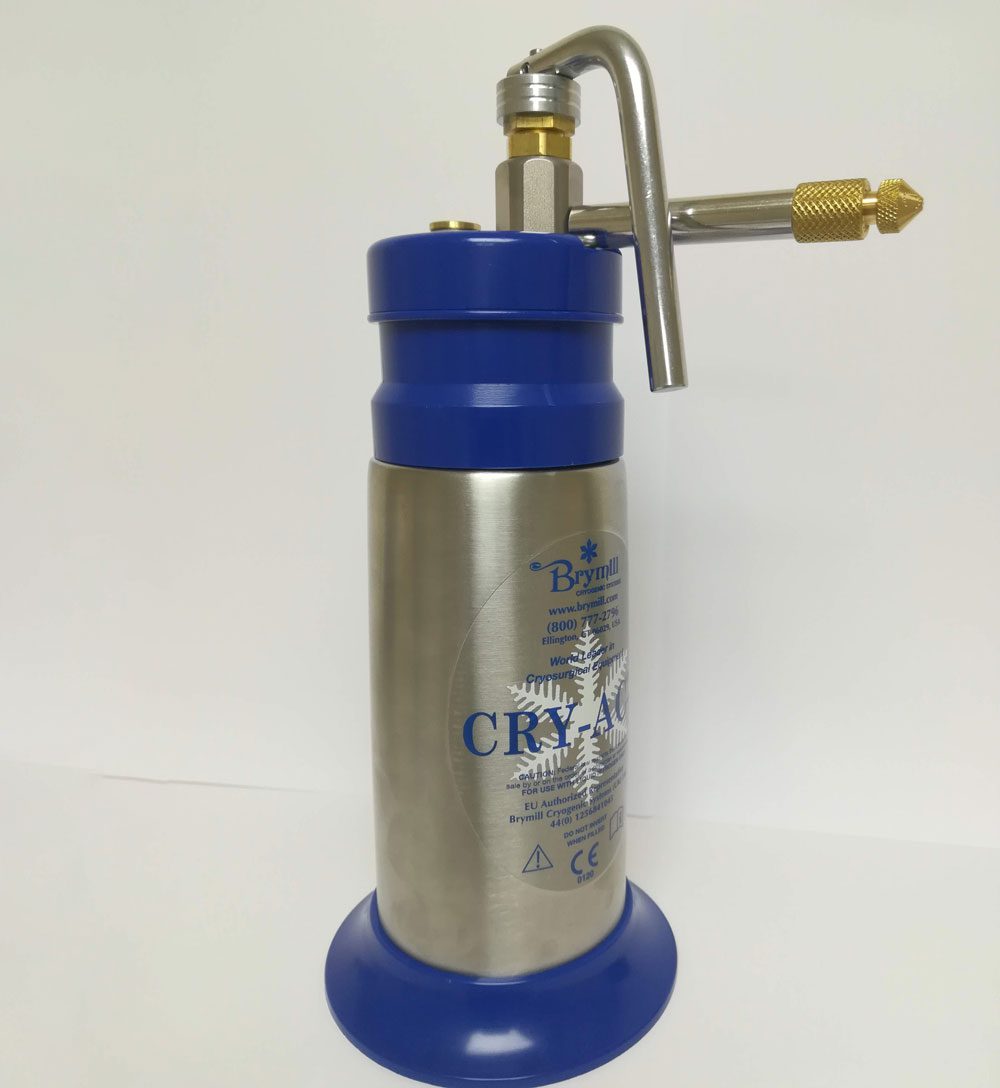
Cryotherapy (Cryosurgery) uses a technology referred to as cryotherapy – ‘cryo’ meaning ‘icy cold’. This involves the use of a high-pressure jet of nitrous oxide – N2O, (the source of the cold energy), which is directed at the specific lesion being treated, to within millimetre accuracy. It is one of the leading lesion treatment devices available on the market to cosmetic practitioners. The practitioner simply points the cryotherapy (cryosurgery) applicator tip directly at the lesion and applies the cryotherapy (cryosurgery). The jet of cold treats any abnormal tissue without interfering with or damaging normal tissue in a matter of seconds. All our cryotherapy (cryosurgery) equipment is classed as, and European CE mark certified, as a medical device.
Contact us to book your appointment.

What our patients say

I would like to Thank doctor Edita for her professional work with my family. Thank you for the quick response in the time of need. I would recommend this clinic for everyone. Best of luck with your future work.

– Ilona Slezauskaite

The highest level of service, it is recommended to visit, amazing doctor Edita Gruodiene

– Ida Deniseviciene

Million thanks to the best Doctor Edita. She always helps to all our family.

– Renata Tkacenke

Great doctor, nice staff, fast and quality service and treatment. Thank you

– Audrone Audra

Doctor Edita healed my child. Other doctors could not make an accurate diagnosis. Thank you very much. Recommend

– Marija OS

Limerick First Medical Center did the tests quickly for me, and prescribed the medication. Very satisfied. Call them - don't hesitate.

– Inga Fitz

I am very satisfied when I go to Dr. Edita Gruodiene, I really feel very good after visiting the doctor so much that I finally went to the right doctor and the treatment will finally start. Thank you very much Edita Gruodiene

– Gintare Daraciene

Competent staff. Pleasant communication. And professional doctor Edita Gruodiene. I am very happy with this clinic!

– Karolina Zakaraitė

Partners